:quality(75))
On 20 May it was World Bee Day! Bees, butterflies, bumblebees and other pollinators are essential for biodiversity and our food security. A third of our food simply wouldn't exist without bees. Yet their habitat is under serious threat! Around 300 of 560 wild bee species, for example, are listed on the Red List. (https://www.weltbienentag.de/)
"The General Assembly of the United Nations has declared 20 May as World Bee Day – underlining the global community's recognition of the decline in the worldwide bee population and the urgent need to protect bees." (https://www.weltbienentag.de/)
But why are our (wild) bees doing so poorly?
One reason is the negative impact of the dominant monocultures in agriculture, which severely limit the food supply for insects and other animals. Since the 1960s, many trees and hedgerows have been cleared to merge fields and create larger areas of land. (https://www.global2000.at/bienen)
Equally problematic for pollinators is over-fertilisation. Plants that thrive in nutrient-poor soils and provide an important food source for wild bee species are being increasingly displaced. (https://www.global2000.at/bienen)

(c)Tanja Gruber
Pesticides and soil sealing
Another contributing factor is certainly the use of pesticides. The use of insecticides has risen sharply since the 1990s and poses a massive threat to our biodiversity (from 157 tonnes in 1991 to 1,122 tonnes in 2017).
What's more, when insecticides are applied, the vast majority lands on animals that were never the intended target.
(https://www.sn.at/panorama/wissen/31-pestizide-auf-einem-apfel-67672753)
A further reason is the massive soil sealing in Austria. Every day, an area the size of 30 football pitches is sealed over in Austria, taking it away from animals and plants.
(https://www.hagel.at/presseaussendungen/klimaanlage-boden-wird-sukzessive-zerstoert/)
(c)Tanja Gruber
Organic farming
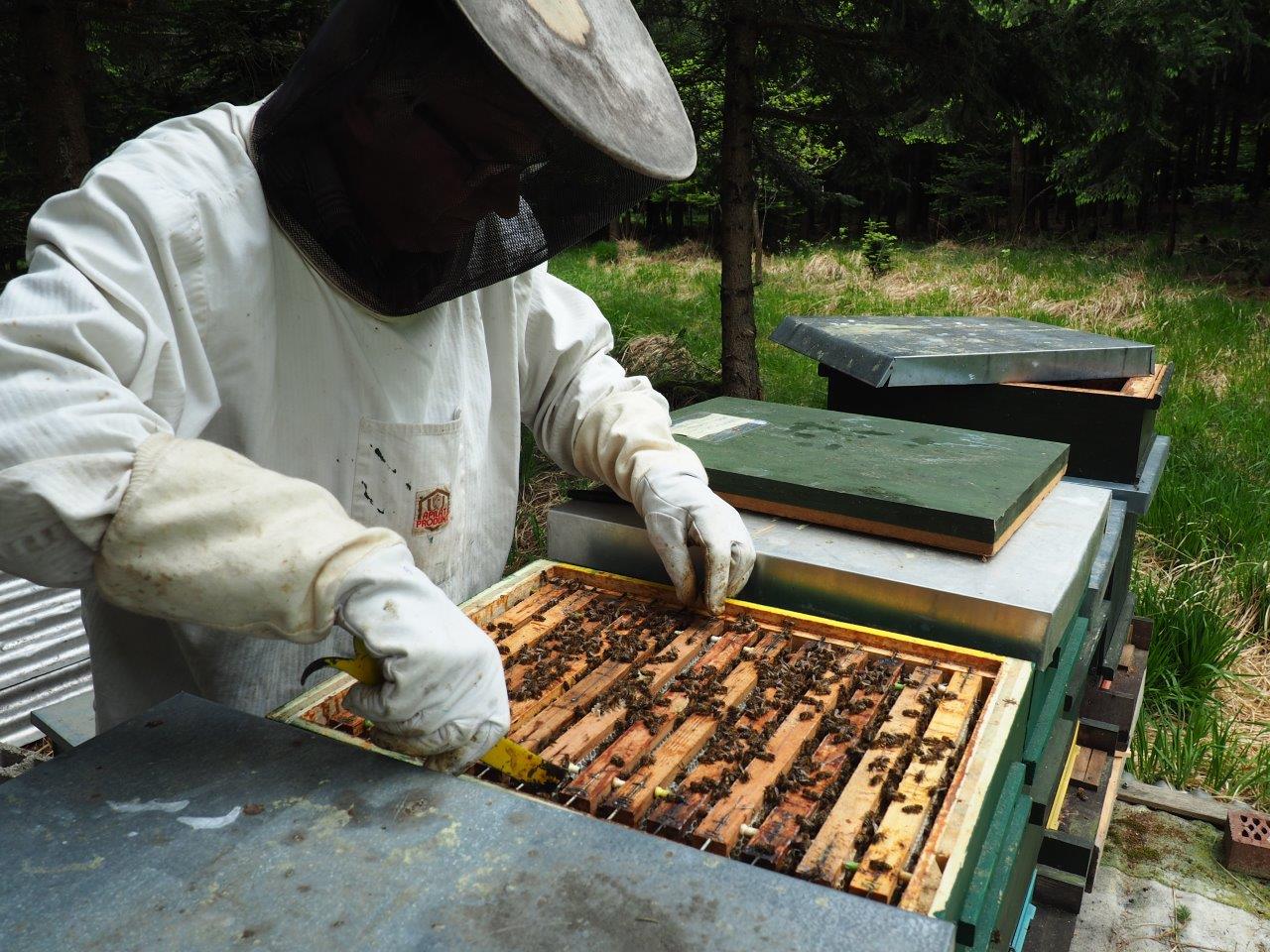
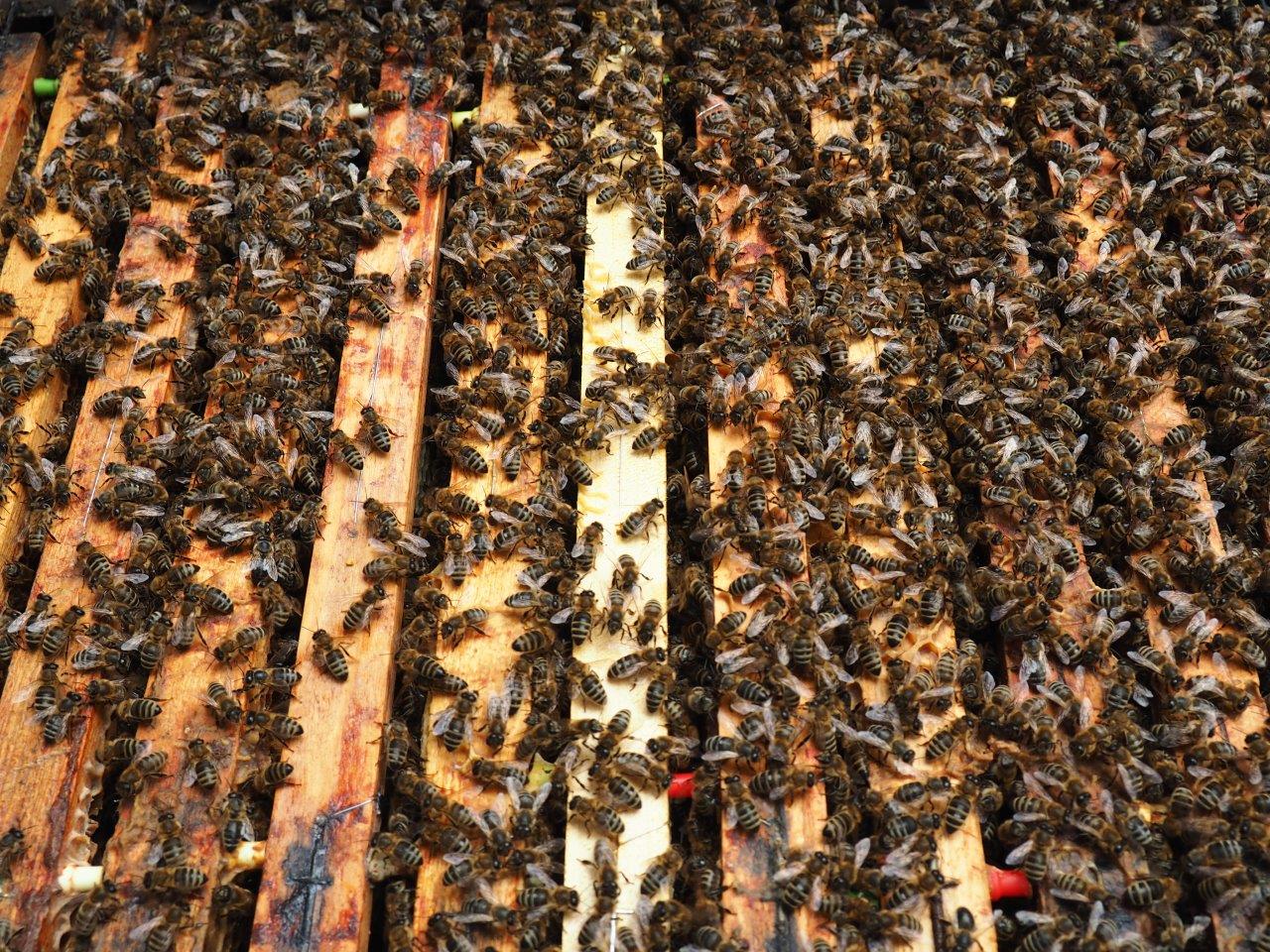
With our organic farming practices, we actively commit to preserving a healthy, insect-friendly environment. Not only do our wild bees benefit from this — they've been happily settled in our orchard since spring, bee hotels and all — but so do the beekeepers in the surrounding area! They're always glad when their charges head into summer healthy and full of vitality.
(c)Tanja Gruber
More information about World Bee Day at:
#destilleriefarthofer #farthofer #mostelleria #mostello #ovodka #allesbio #vomfeldindieflasche #biowhisky #weltbienentag #Nachhaltigeswirtschaften #schautaufdienatur #Artenvielfalt #biodiversität #Esgehtauchanders


